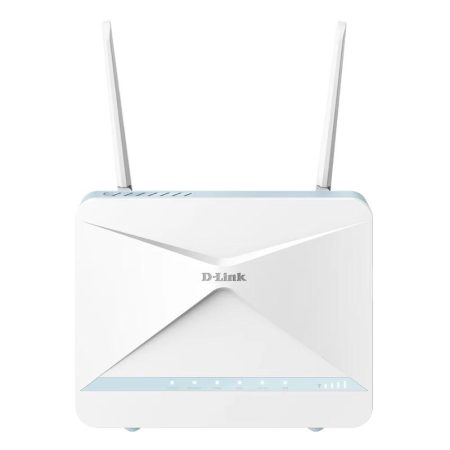
A router serves as a connection point for two or more data lines originating from distinct IP networks. As data packets enter one of these lines, the router examines the network address details within the packet header to ascertain the ultimate destination. It then utilizes the routing table or routing strategy information to guide the packet towards its next network destination.
Routers play a pivotal role in establishing connections within an enterprise, between the enterprise and the Internet, or between different Internet Service Provider (ISP) networks. In the realm of networking, the largest routers are responsible for interconnecting multiple ISPs or are utilized within expansive corporate networks. On the other hand, smaller routers are commonly employed to facilitate connections in typical home and office networks. Various types of routers exist to cater to diverse requirements and use cases.
-
1 in stock
-
3 in stock
-
1 in stock
-
1 in stock
-
1 in stock
-
3 in stock
-
11 in stock
-
7 in stock
-
1 in stock
-
5 in stock
-
2 in stock
-
3 in stock