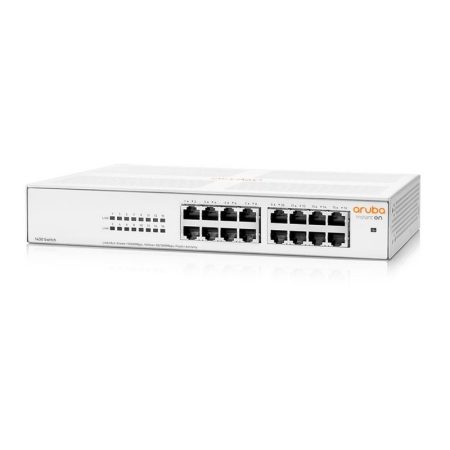
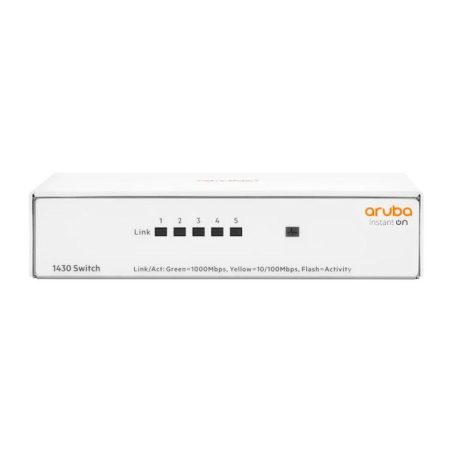
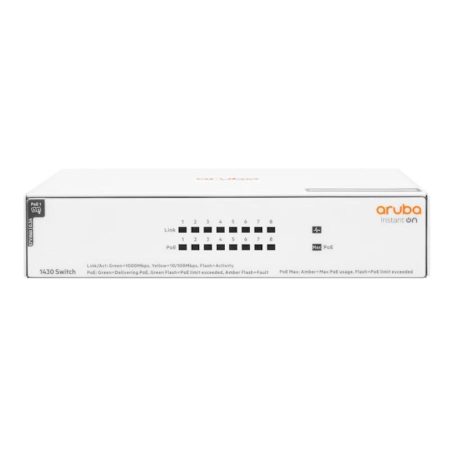
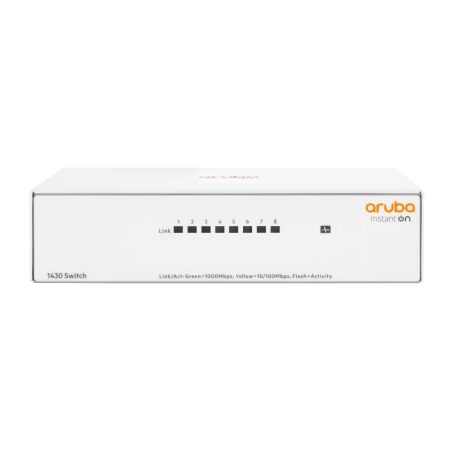
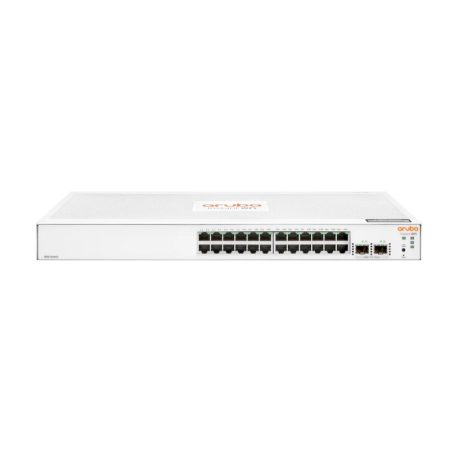
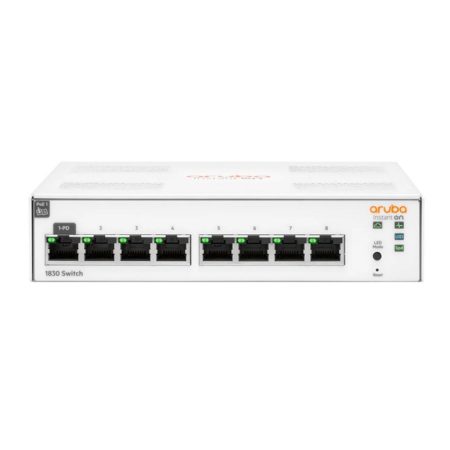
Network switches are essential networking devices that operate at layer 2, also known as the data link layer, of the OSI model. Their primary function is to establish connections between devices within a network and utilize packet switching to efficiently transmit, receive, or forward data packets or data frames across the network.
Typically, networking switches serve as the primary network connection point for hosts located at the edge of a network. They play a crucial role in facilitating communication between devices in local area networks (LANs) and are commonly used in office environments and homes.
Moreover, in hierarchical internetworking models and similar network architectures, switches are deployed deeper within the network infrastructure. They serve as intermediary devices that establish connections between switches at the edge, enabling efficient and organized network communication.
In summary, network switches are fundamental components of modern networks, enabling reliable and efficient data transmission while providing crucial connectivity at the network edge and within the broader network infrastructure.
-
2 in stock
-
1 in stock
-
1 in stock
-
1 in stock
-
1 in stock
-
1 in stock
-
2 in stock
-
2 in stock
-
1 in stock
-
5 in stock
-
2 in stock